
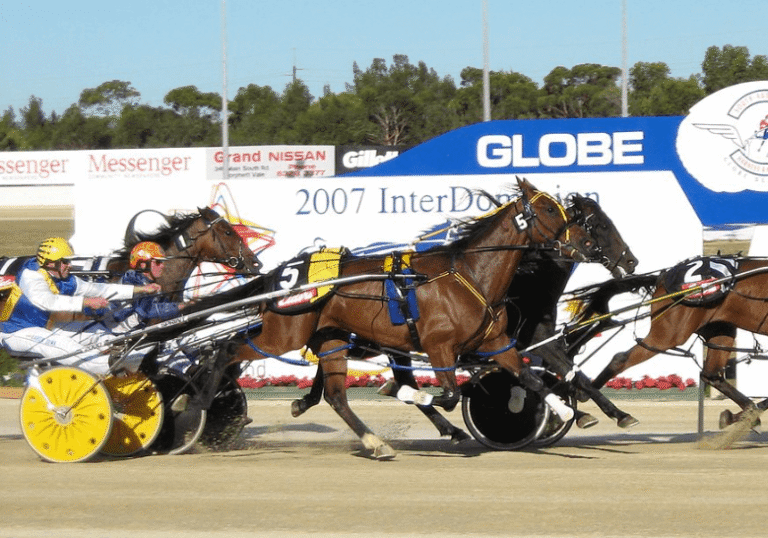
Understanding the various gaits of horses is crucial in the context of racing. Each gait serves a distinct purpose, influencing a horse’s performance and strategy. The gallop is favored for its speed, while the trot focuses on endurance. The canter strikes a balance between speed and control, and the walk provides foundational movement. Analyzing these gaits can reveal insights into optimizing racing techniques and improving competitive outcomes. What implications do these differences hold for trainers and riders?
The Gallop: Power and Speed in Racing
The gallop stands as the fastest gait utilized in horse racing, characterized by a distinct four-beat rhythm that allows for maximum acceleration and speed.
Understanding gallop mechanics is crucial for developing effective racing strategies. This gait enables horses to harness their power, optimizing performance by balancing energy expenditure and velocity.
Mastery over these elements can significantly enhance a horse’s competitive edge in racing scenarios.
The Trot: Rhythm and Endurance
While the gallop emphasizes speed and power, the trot showcases a different set of attributes vital for racing.
Trot dynamics involve a two-beat lateral gait that promotes efficiency and stamina. Endurance training in trotting enhances a horse’s ability to maintain speed over longer distances, making it essential in specific racing contexts.
This rhythmic movement allows for optimal energy conservation and sustained performance.
See also: Understanding the Basics of Horse Racing
The Canter: Balance and Control
Cantering represents a critical gait in equine racing, characterized by its three-beat rhythm that balances speed with control.
Understanding canter mechanics is essential for optimizing performance. Effective canter training enhances a horse’s ability to maintain equilibrium while navigating turns and accelerating.
This gait allows riders to experience the freedom of speed while ensuring the horse’s balance and responsiveness remain intact throughout the race.
The Walk: Foundation of Movement
Understanding horse gaits begins with the walk, which serves as the foundation of movement in equine locomotion.
Analyzing the walking mechanics reveals a rhythmic four-beat gait, essential for balance and energy conservation.
Gait analysis shows how proper walking contributes to subsequent gaits, influencing overall performance.
Mastery of the walk enhances a horse’s agility, responsiveness, and endurance on the racetrack, fostering freedom in movement.
Conclusion
In the grand theater of horse racing, where speed reigns supreme and endurance is merely a footnote, one must ponder the tragic fate of the humble walk. Often overlooked, it serves as the silent witness to the gallop’s glory and the trot’s toil. As trainers obsess over the next record-breaking sprint, perhaps they should consider that the walk—steadfast and reliable—remains the unsung hero, a reminder that sometimes, in the race for fame, the foundational steps are the ones that truly matter.